Hoverboard vs Electric Scooter UK 2026 – Complete Comparison Guide
Quick Answer: Hoverboards offer a unique standing riding experience ideal for tight spaces and tricks, while electric scooters provide better range, higher speeds, and superior comfort for commuting longer distances in the UK.
Choosing between a hoverboard and an electric scooter is one of the most common questions we hear from customers at Hoverboard Store. Both offer eco-friendly, fun ways to get around, but they serve fundamentally different needs. Whether you're a parent looking for your child's first personal transporter or a commuter seeking an alternative to public transport, understanding the key differences will help you make the right choice.
In this comprehensive guide, we'll compare hoverboards and electric scooters across every important factor: speed, range, portability, safety, legality, and value for money. We'll also help you decide which option best suits your specific situation – whether that's zipping around a university campus, commuting to work, or enjoying weekend leisure rides.
Understanding the Basics: What Each Device Offers
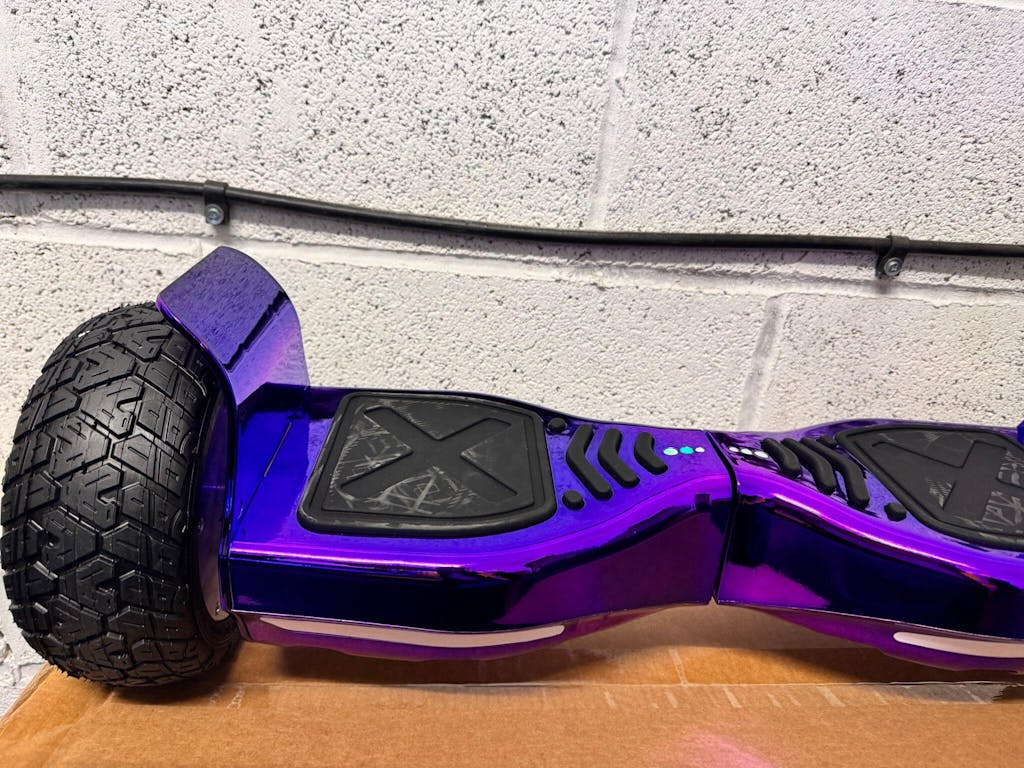
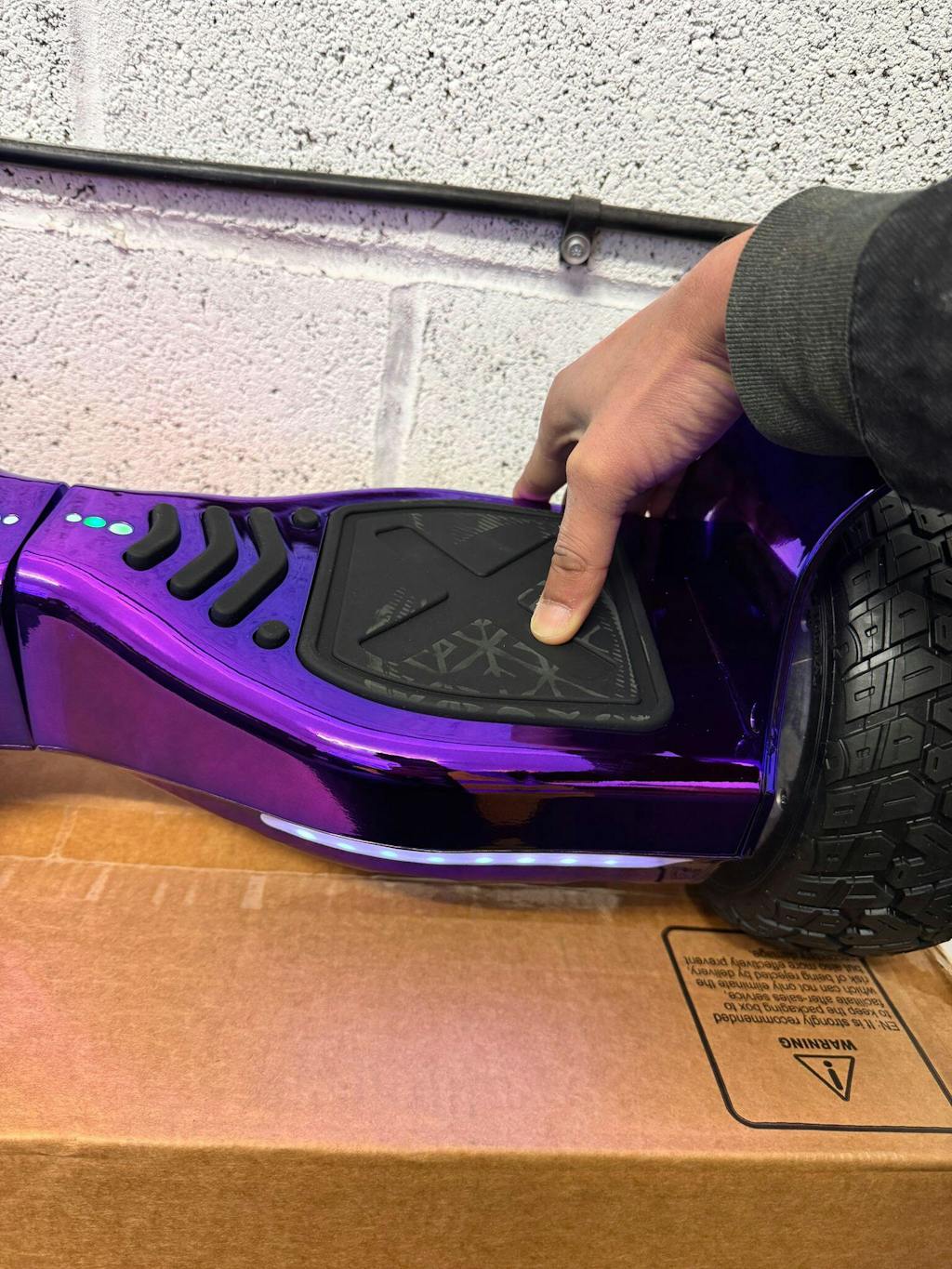
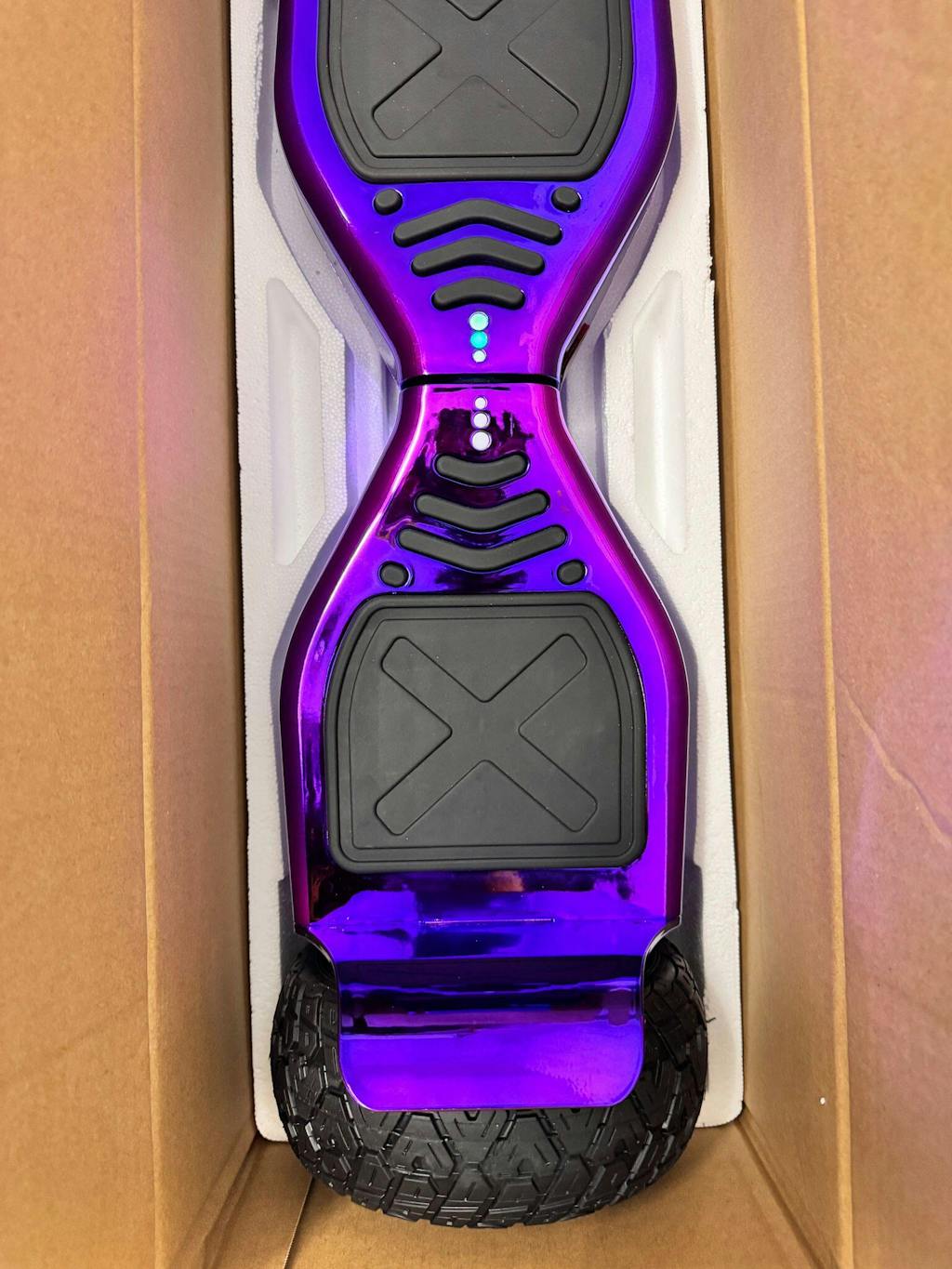
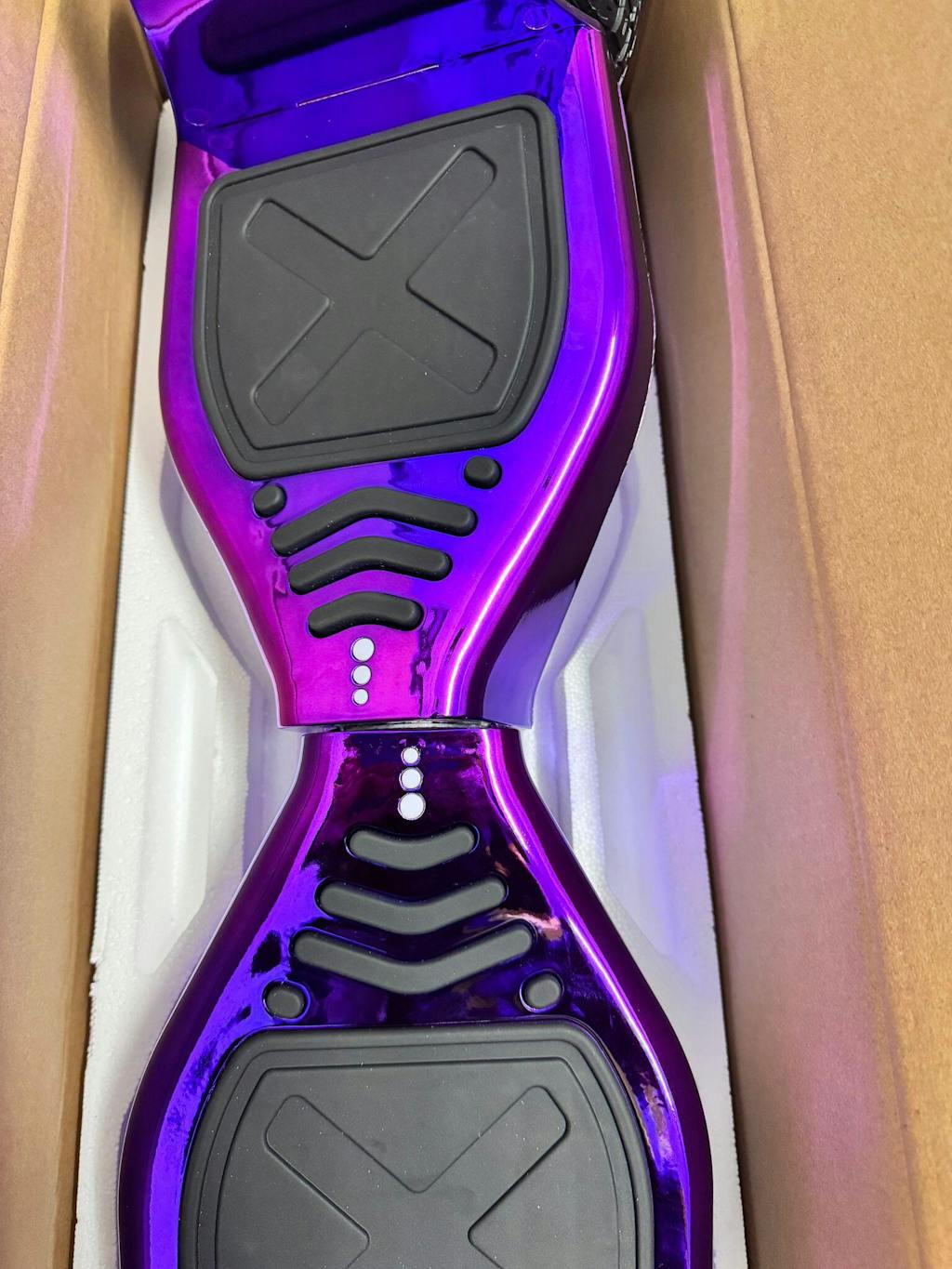
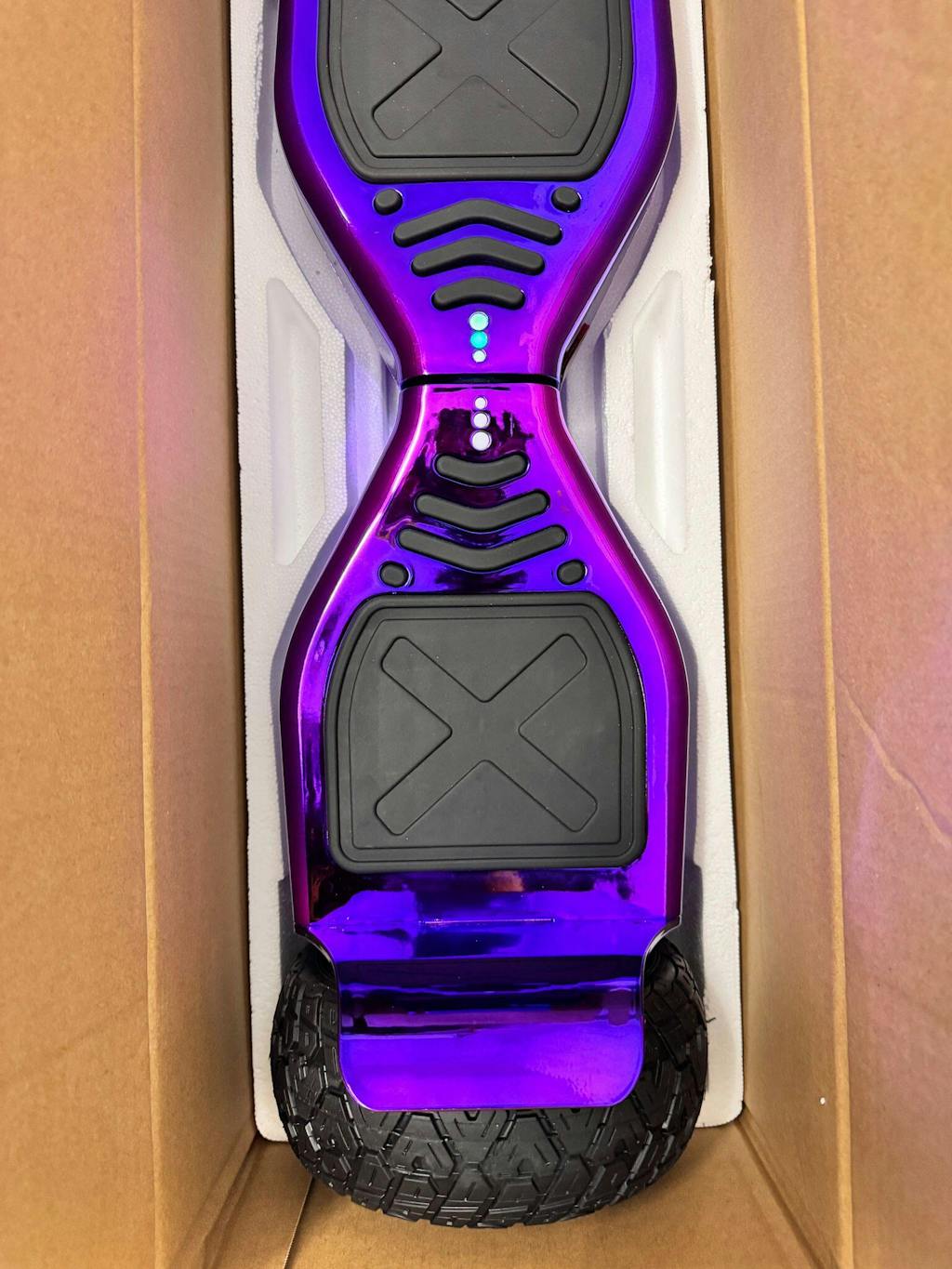
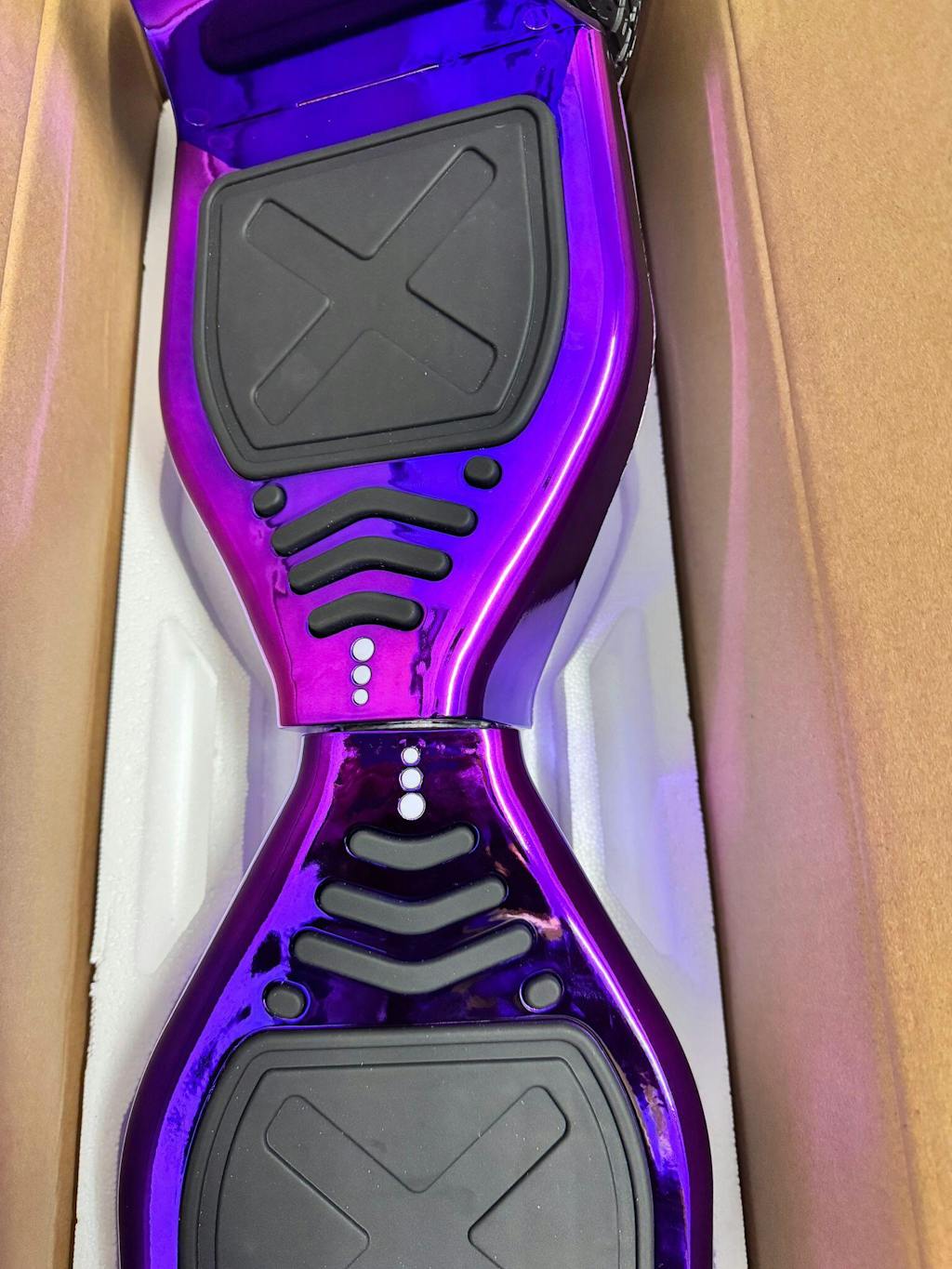
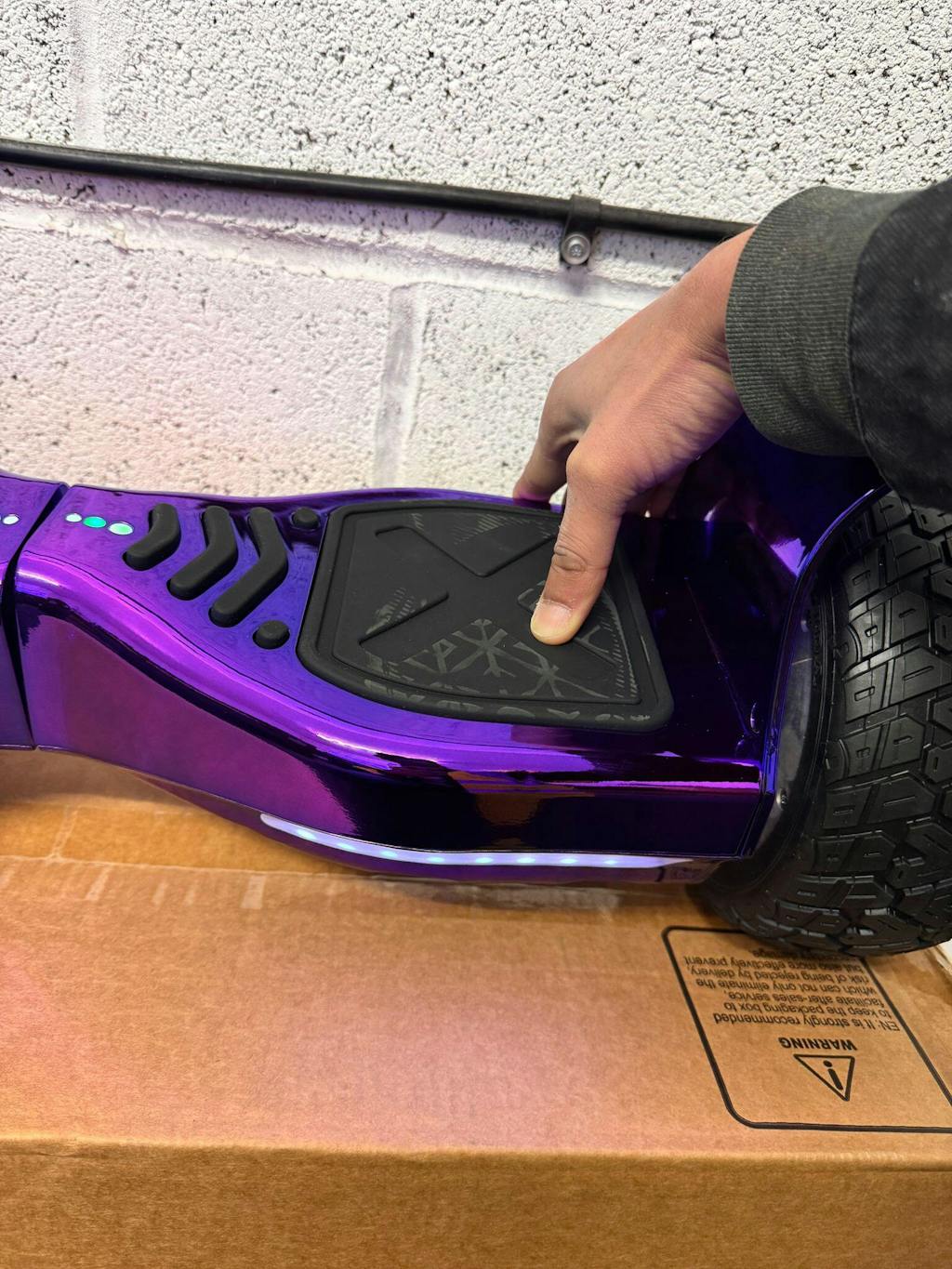
Before diving into the detailed comparison, let's clarify exactly what we're comparing. Hoverboards (also called self-balancing scooters) are two-wheeled devices where the rider stands on a platform between the wheels, using body weight to steer and control speed. The wheels are positioned on either side of your feet, creating a unique side-by-side riding stance that takes some getting used to.
Electric scooters, meanwhile, feature a traditional scooter design with a handlebar, stem, and deck where the rider stands front-to-back. Most UK-compliant electric scooters are rated for road use and come with features like lights, brakes, and often suspension for added comfort.
Speed and Performance Comparison
When it comes to raw speed, electric scooters have the clear advantage. Most road-legal electric scooters in the UK reach top speeds of 15.5 mph (25 km/h), which is the legal maximum for e-scooters on public roads and cycle paths. Some premium models can hit 20-25 mph, but using these speeds on public highways would technically violate current UK regulations.
Hoverboards typically max out at around 10-12 mph (16-19 km/h) for standard models. While this might seem slower, it's worth noting that hoverboards feel surprisingly quick because you're closer to the ground – the perceived speed is often greater than the actual speed. Off-road hoverboards with larger wheels can reach similar speeds to scooters, but these are generally not street-legal in the UK.
For actual commuting performance, electric scooters win decisively. If your journey involves main roads, longer distances, or time-sensitive trips, the extra speed of an electric scooter makes a meaningful difference to your travel time.
UK Speed Limit Reminder: Both hoverboards and electric scooters are restricted to 15.5 mph (25 km/h) when ridden on public roads, cycle lanes, or paths where bikes are permitted. Always check local bylaws – some areas have additional restrictions.
Range and Battery Life: How Far Can You Go?
Range is where electric scooters truly separate themselves from hoverboards. A typical mid-range electric scooter offers 25-40 miles on a single charge, with premium commuter models pushing past 50 miles. This makes electric scooters genuinely practical for daily commuting – you could realistically use one to travel to and from work without worrying about running out of battery.
Hoverboards, by contrast, generally offer 8-15 miles of range depending on the model. This is perfectly adequate for casual rides, short trips around a neighbourhood, or fun weekend activities, but it falls well short of practical commuting needs. Larger "all-terrain" hoverboards with bigger batteries can manage around 20 miles, but these are bulkier and significantly heavier.
Portability and Storage: Getting Around When Not Riding
Portability is where hoverboards have a significant edge. A standard hoverboard weighs between 7-12 kg and can be easily carried under one arm, slung over a shoulder, or packed into a backpack. They fit comfortably under a desk, in a car boot, or in overhead storage on trains – making them incredibly versatile for multimodal journeys.
Electric scooters are bulkier, typically weighing 12-25 kg depending on the model. Folding scooters help – you can collapse them and carry them onto public transport – but they still require both hands and more awkward storage space. The added weight also makes them harder to carry up stairs or lift onto trains.
If you need to combine your ride with bus or train travel, or if storage space is at a premium, hoverboards win handily on portability.
Learning Curve and Riding Experience
Both devices require practice, but the learning experience differs substantially. Hoverboards have a steeper initial learning curve – most riders take 30 minutes to a few hours to feel comfortable balancing and steering. The side-by-side stance feels unnatural at first, and beginners often wobble or struggle with turns. However, once you've mastered it, the riding experience becomes intuitive.
Electric scooters are more immediately accessible. Most people can ride a scooter confidently within minutes – it feels much like a traditional kick scooter, just with motor assistance. The handlebars provide a natural steering reference, and the front-facing stance feels more familiar to most people.
For children or beginners who want instant gratification, electric scooters are easier to pick up. For those willing to invest a little time in learning, hoverboards offer a more unique and engaging riding experience.
Safety Considerations for UK Riders
Safety is paramount, and both devices have their considerations. Electric scooters typically feature handlebars with traditional brake levers, front and rear lights, and sometimes suspension – all of which contribute to safer, more controlled riding. The higher riding position also gives better visibility of traffic.
Hoverboards don't have handlebars, which means less stability at higher speeds and no natural handholds. Riders must rely entirely on body balance and lean to steer, which can be challenging on uneven surfaces or in traffic. However, hoverboard riders develop good balance skills, which is a valuable long-term benefit.
✅ Hoverboard Advantages
- More compact and portable
- Better for indoor use
- More fun and unique riding experience
- Develops balance skills
- Generally lower purchase price
❌ Hoverboard Disadvantages
- Steeper learning curve
- Lower top speed
- Shorter range
- Less stable at higher speeds
- No handlebar for security
✅ Electric Scooter Advantages
- Faster speeds for longer journeys
- Much greater range
- Easier to learn
- More stable with handlebars
- Often includes lights and suspension
❌ Electric Scooter Disadvantages
- Heavier and harder to carry
- Higher price point
- Bulkier to store
- More complex with more potential failure points
Legal Status in the UK: What You Need to Know
Understanding UK law is essential before purchasing either device. As of 2026, electric scooters are legal to ride on UK roads and cycle paths only if rented through approved schemes (like London' Santander Cycles or TfL's e-scooter trials). Privately purchased e-scooters remain illegal on public roads, though they can technically be used on private land.
The UK government has been trialling e-scooter rental schemes since 2020, andlegislation to legalise private e-scooters has been repeatedly promised but not yet enacted. This creates significant uncertainty for potential buyers – purchasing an electric scooter for road use now could mean you're breaking the law if regulations change.
Hoverboards occupy a slightly different legal grey area. They're not classified as motor vehicles under UK law, which technically means they can be ridden on pavements and pedestrian areas. However, some police forces have issued fines for riding hoverboards in busy pedestrian zones, and the devices are banned from public roads. The practical advice is to use hoverboards on private property, in parks, or in areas where they're explicitly permitted.
Legal Disclaimer: UK laws regarding personal electric vehicles are evolving rapidly. Always check current local regulations before riding any personal transporter on public land. This guide reflects regulations as of March 2026.
Price Comparison: What's the Real Cost?
Budget is always a factor, and there's a noticeable price difference between the two categories. Quality hoverboards start around £150-£200 for certified models with adequate battery life and safety features. Mid-range hoverboards with better build quality and longer range typically cost £250-£350, while premium all-terrain models can reach £500+.
Electric scooters start at similar price points (£150-£250 for basic models), but practical commuter-grade scooters begin around £400-£600. Premium scooters with long range, suspension, and robust build quality regularly cost £800-£1500.
When evaluating cost, consider your actual needs. If you're just looking for fun, casual rides, a hoverboard offers excellent value. If you need reliable daily commuting, the higher upfront cost of a quality electric scooter may be justified by the practical benefits.
Which Is Right for You? Decision Guide
After comparing all these factors, the right choice depends heavily on your specific situation. Here's our decision framework to help you choose:
| Scenario | Recommended | Why |
|---|---|---|
| Child or teenager | Hoverboard | More fun, builds balance, easier to store |
| Daily city commute | Electric Scooter | Range and speed justify the cost |
| University campus | Hoverboard | Portable, fits in lockers, fun factor |
| Weekend leisure rides | Either | Depends on distance and terrain |
| Limited storage | Hoverboard | Compact, easy to store anywhere |
| First-time rider | Electric Scooter | Easier learning curve |
| Strict budget | Hoverboard | More options under £250 |
Making Your Final Decision
Both hoverboards and electric scooters represent excellent choices for personal micro-mobility in the UK. The "right" choice isn't universal – it's entirely personal and depends on how you plan to use the device.
If you prioritise portability, fun, and a unique riding experience, and your journeys are relatively short, a hoverboard makes excellent sense. They're perfect for younger riders, students, or anyone who needs to carry their ride regularly.
If you need genuine practical transportation – longer commutes, faster travel, better visibility in traffic – invest in a quality electric scooter. The extra cost is justified by the dramatically superior range and speed.
Whichever you choose, always prioritise safety gear, follow local laws, and ride responsibly. Both devices offer tremendous fun and practical benefits when used appropriately.
Frequently Asked Questions
Can I ride a hoverboard on UK public roads?
Technically, hoverboards are not classified as motor vehicles in the UK, so they can be used on pavements and pedestrian areas. However, they're not permitted on public roads, and some police forces have issued fines for inappropriate use in busy areas. For safety and legal reasons, we recommend riding on private property, in parks, or designated areas.
Are electric scooters legal in the UK in 2026?
Privately purchased electric scooters remain illegal on UK public roads as of March 2026, though they can be used on private land. Only rental e-scooters from approved government trial schemes are permitted on public roads and cycle paths. The law is expected to change, but check current regulations before purchasing.
Which is easier to learn – hoverboard or electric scooter?
Electric scooters are significantly easier to learn – most people can ride confidently within minutes. Hoverboards have a steeper learning curve, typically requiring 30 minutes to a few hours of practice before feeling comfortable. The side-by-side stance and balance-based steering take getting used to.
How far can a hoverboard go on one charge?
Standard hoverboards offer 8-15 miles of range on a single charge. Premium all-terrain models with larger batteries can reach up to 20 miles. This is suitable for casual rides but falls short for longer commutes.
What is the maximum speed of a hoverboard in the UK?
Most standard hoverboards have a top speed of 10-12 mph (16-19 km/h). While there's no specific legal speed limit for hoverboards on private property, riding at excessive speeds in public areas could lead to fines for dangerous riding.
Which is better for commuting – hoverboard or electric scooter?
Electric scooters are far better for commuting due to their superior range (25-50+ miles), higher speeds, and more stable riding position. Hoverboards are better suited for short, casual journeys where portability matters more than speed or distance.
Can children ride hoverboards safely?
Yes, children can safely ride hoverboards with proper supervision and protective gear (helmet, knee and elbow pads). Most hoverboard manufacturers recommend a minimum age of 8-12 years, depending on the model. Adult supervision is essential for younger children.
Do I need insurance for a hoverboard in the UK?
Insurance is not legally required for hoverboards in the UK since they're not classified as motor vehicles. However, your home insurance may or may not cover personal transporters – check with your provider. Some specialist policies are available if you want additional protection.
What protective gear do I need for riding?
We strongly recommend wearing a certified helmet, knee pads, elbow pads, and wrist guards. Even for casual riding, falls happen – protective gear significantly reduces injury risk. Reflective clothing or lights are essential if riding in low light conditions.
How long do hoverboard batteries last?
Quality hoverboard batteries typically last 2-4 years or 300-500 charge cycles before significant capacity degradation. Proper charging practices (avoiding overcharging, not letting the battery fully discharge regularly) can extend battery lifespan.
Can I take a hoverboard on UK trains?
Most UK train operators allow hoverboards as luggage, provided they meet size and weight restrictions for hand luggage (typically under 20-30kg). However, rules vary by operator – always check before travelling. The battery must be installed (not removable) and comply with relevant safety standards.
Which is more portable – hoverboard or electric scooter?
Hoverboards are significantly more portable. They weigh 7-12 kg, can be carried under one arm, and fit easily in small spaces. Electric scooters weigh 12-25 kg and, even when folded, require more awkward carrying. For multimodal travel, hoverboards win decisively.
Are hoverboards or electric scooters better for winter riding?
Neither is ideal for wet, icy conditions. Electric scooters generally perform better on uneven surfaces thanks to larger wheels and suspension, but both devices have reduced traction in wet conditions. We recommend limiting riding to dry weather and avoiding icy or flooded areas.
What's the average lifespan of a hoverboard?
With proper care and maintenance, a quality hoverboard lasts 3-5 years. The main wear items are the battery (2-4 years), wheels (1-3 years depending on use), and rubber gaiters (6-12 months). Regular maintenance extends lifespan significantly.
Can I use a hoverboard in the rain?
We do not recommend riding hoverboards in rain or wet conditions. Most consumer hoverboards are not waterproof, and water exposure can damage the battery, motors, and electronics. Always check your model's IP rating and avoid puddles, wet surfaces, and rain.